 English

Choosing the right window material is a critical decision for architects, developers, and property owners. Windows are not only functional—they influence safety, durability, energy efficiency, and the overall aesthetics of a building. Steel windows and aluminum windows are two of the most common options, each offering unique advantages. This article compares steel and aluminum windows across key factors to help you make an informed choice for your project.
🔹 Key Differences Between Steel and Aluminum Windows
| Feature | Steel Windows | Aluminum Windows |
|---|---|---|
| Strength & Durability | High, ideal for large or high-rise windows | Lower, best for small or low-rise windows |
| Energy Efficiency | Excellent with thermal break + double/triple glazing | Moderate, may require thermal breaks |
| Design & Flexibility | Slim profiles, highly customizable | Limited customization, good for standard designs |
| Cost & Maintenance | Higher upfront cost, low maintenance, long-lasting | Lower initial cost, may require regular upkeep |
| Best For | High-rise apartments, villas, commercial complexes | Low to mid-rise residential, standard commercial buildings |
🔹 1. Material Strength and Durability
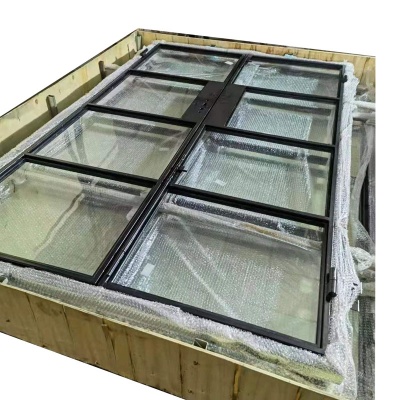
Steel Windows
-
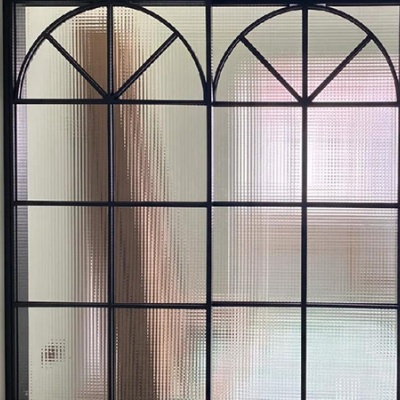
High-strength steel makes them perfect for large windows and high-rise buildings.
-
Resistant to impact and deformation, offering long-term stability.
-
Capable of supporting thick glass and heavy frames, suitable for modern and industrial designs.
Aluminum Windows
-
Lightweight, easy to transport and install.
-
Lower strength, not ideal for oversized or high-load applications.
-
May slightly deform over time, requiring occasional inspection.
Takeaway: Steel windows are recommended for large, high-rise, or long-term projects. Aluminum windows work well for smaller or low-rise buildings.
🔹 2. Energy Efficiency
Steel Windows

-
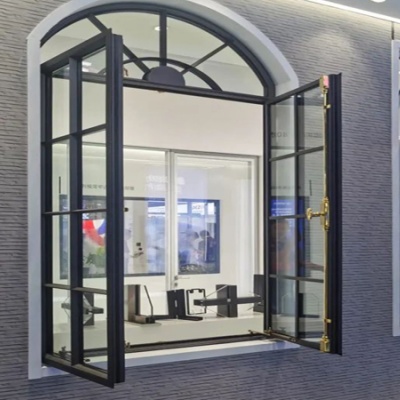
Thermal breaks and insulation treatments significantly improve energy performance.
-
Pairing with double or triple glazing ensures excellent heat insulation, ideal for energy-efficient or high-standard buildings.
Aluminum Windows
-
Naturally less conductive, but without thermal breaks, heat bridging can occur.
-
Double glazing improves insulation but may not meet strict energy-efficiency standards for high-rise buildings.
Takeaway: For high-rise or energy-conscious projects, steel windows outperform aluminum in thermal performance.
🔹 3. Design and Aesthetics
Steel Windows

-
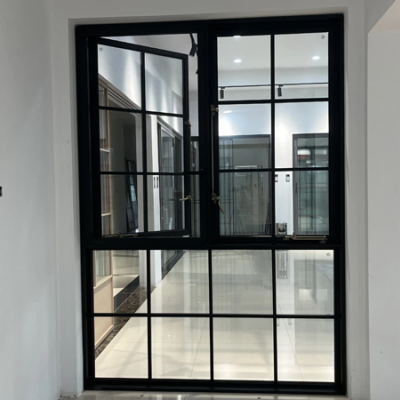
Slim profiles allow for large glass panels, creating a modern industrial or minimalist look.
-
Highly customizable: color, opening style, and frame design can be tailored to your project.
-
Perfect for projects emphasizing modern aesthetics and visual impact.
Aluminum Windows
-
Multiple color options for standard aesthetics.
-
Customization is limited, especially for oversized or unique designs.
Takeaway: Steel is ideal for large, modern, or industrial-style projects. Aluminum windows suffice for standard designs or smaller buildings.
🔹 4. Cost and Maintenance
Steel Windows
-
Higher initial investment, but long-term durability and minimal maintenance make them cost-effective over time.
-
Corrosion-resistant and rustproof treatments ensure stability, even in coastal or humid environments.
-
Ideal for large-scale construction and overseas export projects.
Aluminum Windows
-
Lower upfront cost and easy installation.
-
May require periodic maintenance to maintain appearance and function.
-
Suitable for budget-conscious projects or low-rise buildings.
Takeaway: Prioritize steel for longevity and high-end projects; aluminum works for smaller-scale or budget-limited applications.
🔹 5. Application Scenarios
| Material | Ideal Building Types | Advantages | Notes |
|---|---|---|---|
| Steel Windows | High-rise apartments, villas, commercial complexes, industrial-style buildings | High strength, durable, customizable for large sizes | Higher initial cost, anti-corrosion treatment recommended |
| Aluminum Windows | Low to mid-rise residential, standard commercial buildings | Lightweight, low cost, multiple color options | Limited strength and long-term durability |
This table helps readers scan quickly—a GEO-friendly approach to convey information efficiently.
🔹 6. Why Choose FASEC Window Wall
-
Customizable Solutions: Any size, color, or opening type.
-
Factory Direct Supply: Competitive pricing and fast delivery.
-
Reliable Quality: Meets ISO, EN, ASTM international standards.
-
Overseas Project Experience: Capable of handling large-scale export orders.
-
Full-Service Support: Professional guidance from design to production and shipping.
FASEC Window Wall ensures that every project receives high-quality, durable, and aesthetically pleasing windows, tailored to your specific needs.
🔹 ✅ Conclusion
-
Steel Windows: Best for large-scale, high-rise, modern buildings requiring long-term durability.
-
Aluminum Windows: Suitable for smaller, low-rise, or budget-conscious projects.
Choosing FASEC Window Wall steel windows guarantees safe, durable, and visually appealing solutions for residential, commercial, or industrial projects.
📩 Get Your Custom Solution
Contact FASEC Window Wall to request a custom steel window quote today:
-
📧 Email: tomy@hzfasec.com
-
🌐 Website: FASEC Window Wall
-
📞 International Customers: Contact via email or website inquiry; our team will respond within 24 hours.
Upgrade your building project with FASEC Window Wall windows—safe, durable, and beautiful.